


See more


Our strategy for sustainable success
Acorn is dedicated to promoting sustainability in printing and is a supporter of several key focus groups and initiatives that also champion sustainability.
To support our customers, new and old, we have created a 7 step guide to help you consider and navigate the many possibilities on offer and to help you achieve your own sustainability goals.
100%
of paper purchased from sustainably managed sources
99%
of all waste created is recycled
30%
more productive cover printing using less energy & materials
7 steps to being more environmentally friendly

Print Design
Design isn’t just about making something look beautiful on a page. It’s about choreography across an entire supply chain. The format you choose affects printing speed, cost, mailing ...

Sustainable Materials
Paper is the heavyweight champion of environmental impact in printing. It dominates the carbon footprint, meaning small changes in paper choice can create big e...
Print Supply Chain Partners
A printer is only as strong as the ecosystem behind it. Suppliers, software systems, and technical partners all shape efficiency and sustainability. Strong part...
Print Manufacturing
Modern print manufacturing is a blend of precision engineering and environmental strategy. Investment in advanced machinery reduces waste, energy consumption, a...
Packaging
Packaging is where good sustainability intentions can quietly unravel. Even if the printed product is eco-friendly, poor packaging choices can undo that progres...


1.
Print Design
Design isn’t just about making something look beautiful on a page. It’s about choreography across an entire supply chain. The format you choose affects printing speed, cost, mailing compatibility, retail placement, and even how efficiently it travels from factory to reader. A well-chosen format flows smoothly through production like a well-cut key in a lock.
Sustainability enters early here. By involving printers and partners at the design stage, you can avoid waste, delays, and costly missteps. Standardising formats such as A4 and A5 improves efficiency dramatically by reducing setup time, paper waste, and logistical friction. The result is faster turnaround, lower cost, and a smaller environmental footprint.
Learn more

Early collaboration with printers reduces waste, cost, and risk

Standard formats (A4/A5) maximise efficiency across the supply chain

Design decisions directly impact sustainability and logistics

2.
Sustainable Materials
Paper is the heavyweight champion of environmental impact in printing. It dominates the carbon footprint, meaning small changes in paper choice can create big environmental wins. Sustainable sourcing (FSC/PEFC), carbon-balanced paper, and supplier partnerships all play a crucial role in reducing impact.
Innovation in paper technology adds another layer. High-bulk, lightweight papers can maintain the same look and feel while reducing weight, transport emissions, and cost. A clever switch in material can ripple across production, packaging, and distribution, trimming both carbon and expenses without sacrificing quality.
Learn more

Paper choice is the biggest lever for reducing carbon impact

Certified and carbon-balanced papers support sustainability goals

Lightweight, high-bulk paper reduces transport and material use
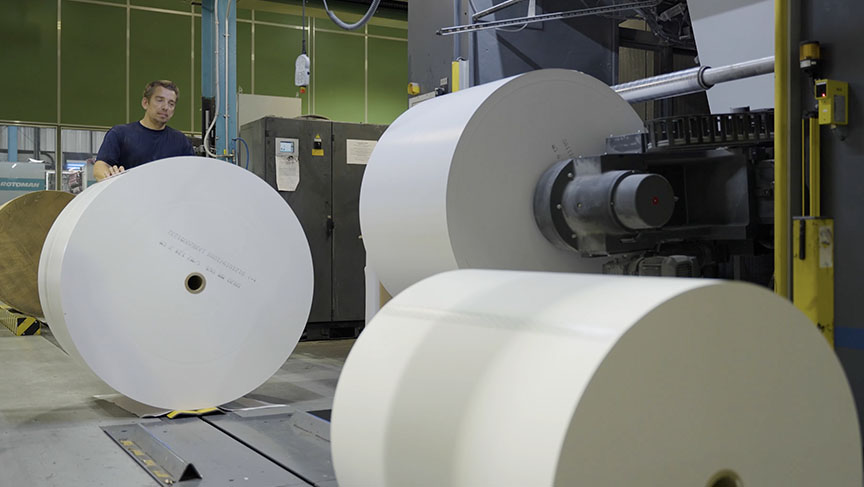
54%
of the total carbon footprint comes from paper, making it the biggest impact driver
63%
of the total carbon footprint comes from paper and transport combined, showing materials and logistics dominate emissions
3.
Print Supply Chain Partners
A printer is only as strong as the ecosystem behind it. Suppliers, software systems, and technical partners all shape efficiency and sustainability. Strong partnerships enable smarter decisions, better resource allocation, and measurable environmental improvements.
Technology integration is key here. From carbon tracking tools to advanced printing plates and ink optimisation systems, collaboration with the right partners can significantly reduce waste, water use, and energy consumption. Sustainability becomes a shared mission rather than a solo effort.
Learn more

Strong supplier partnerships improve sustainability and efficiency

Data-driven systems enable smarter production decisions

Collaboration unlocks measurable reductions in waste and resources
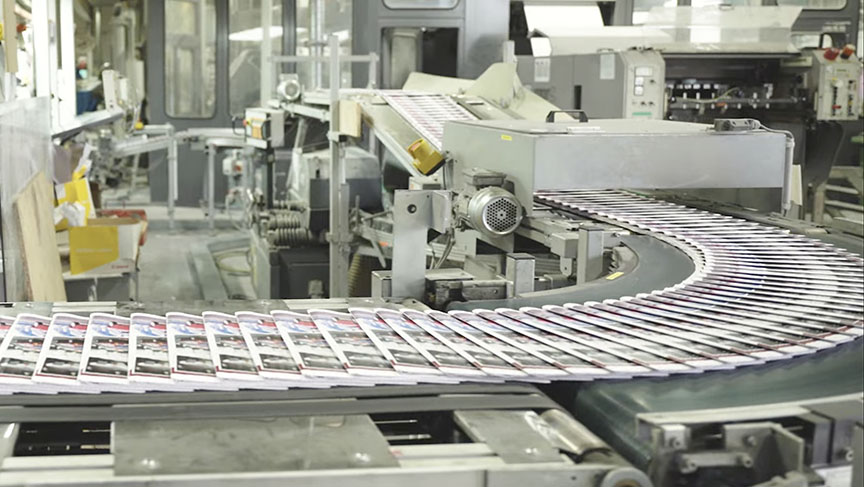
10%
reduction in ink consumption
4.
Print Manufacturing
Modern print manufacturing is a blend of precision engineering and environmental strategy. Investment in advanced machinery reduces waste, energy consumption, and production time while improving quality. It’s about doing more with less, faster and cleaner.
Automation and innovation also reshape labour and efficiency. From high-speed presses to robotic systems, these upgrades reduce manual intervention, cut waste, and optimise throughput. Importantly, they also help challenge the misconception that print is inherently unsustainable compared to digital.
Learn more

Investment in technology reduces waste, energy use and cost

Automation improves efficiency and reduces environmental impact

Modern print can compete with digital on sustainability
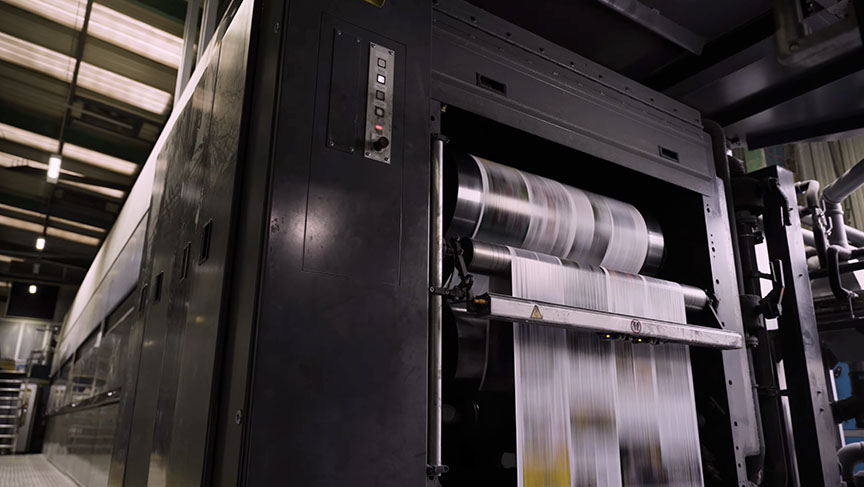
30%
Cover Press Productivity Increase
32%
Finishing Lines Productivity Increase
5.
Packaging
Packaging is where good sustainability intentions can quietly unravel. Even if the printed product is eco-friendly, poor packaging choices can undo that progress. Selecting recyclable materials and efficient packing methods is essential.
Efficiency matters just as much as materials. Automated packaging can reduce labour, improve consistency, and even lower transport emissions by optimising pallet space. Interestingly, materials perceived as “less green” (like certain plastics) can sometimes outperform cardboard in real-world efficiency and carbon terms.
Learn more

Packaging materials must align with overall sustainability goals

Efficiency in packing affects transport and emissions

Perception of sustainability doesn’t always match reality
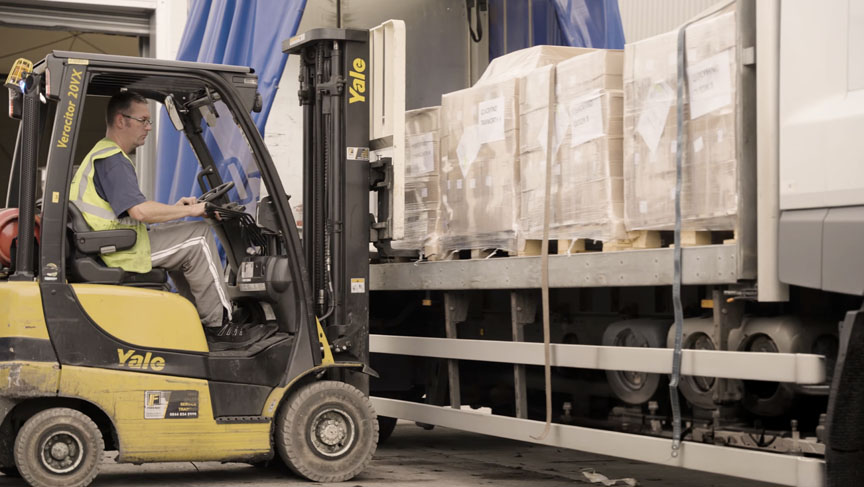
100%
recycled cardboard items
30%
recycled stretch-wrap, tape, shrink-wrap items
6.
Transport
Transport is the final relay in the production race, and efficiency here has a major environmental impact. Smart logistics planning, load optimisation, and route efficiency reduce both costs and emissions.
Combining deliveries, using pallet networks, and reducing unnecessary journeys can significantly cut carbon output. Even operational tweaks, like smarter waste collection scheduling, can remove thousands of miles from the road each year.
Learn more

Efficient logistics reduce both cost and environmental impact

Consolidated deliveries minimise vehicle use

Smart systems and planning significantly cut emissions

99%
On-time delivery rate
7.
End of Use Recycling
Sustainability doesn’t end when the product is delivered. What happens after use is just as important. A strong recycling strategy ensures materials are reused, repurposed, or converted into energy rather than sent to landfill.
By carefully segregating waste streams and partnering with specialised recyclers, the vast majority of materials can be recovered. The goal is to push landfill usage as close to zero as possible while extracting maximum value from waste.
Learn more

Effective waste segregation maximises recycling efficiency

Most materials can be fully recycled or repurposed

Minimising landfill is a core sustainability objective

99%
IT waste recycled
95%
Plate developer recycled


Follow us on social media